How To Outsmart Imposter Syndrome
Sep 09, 2025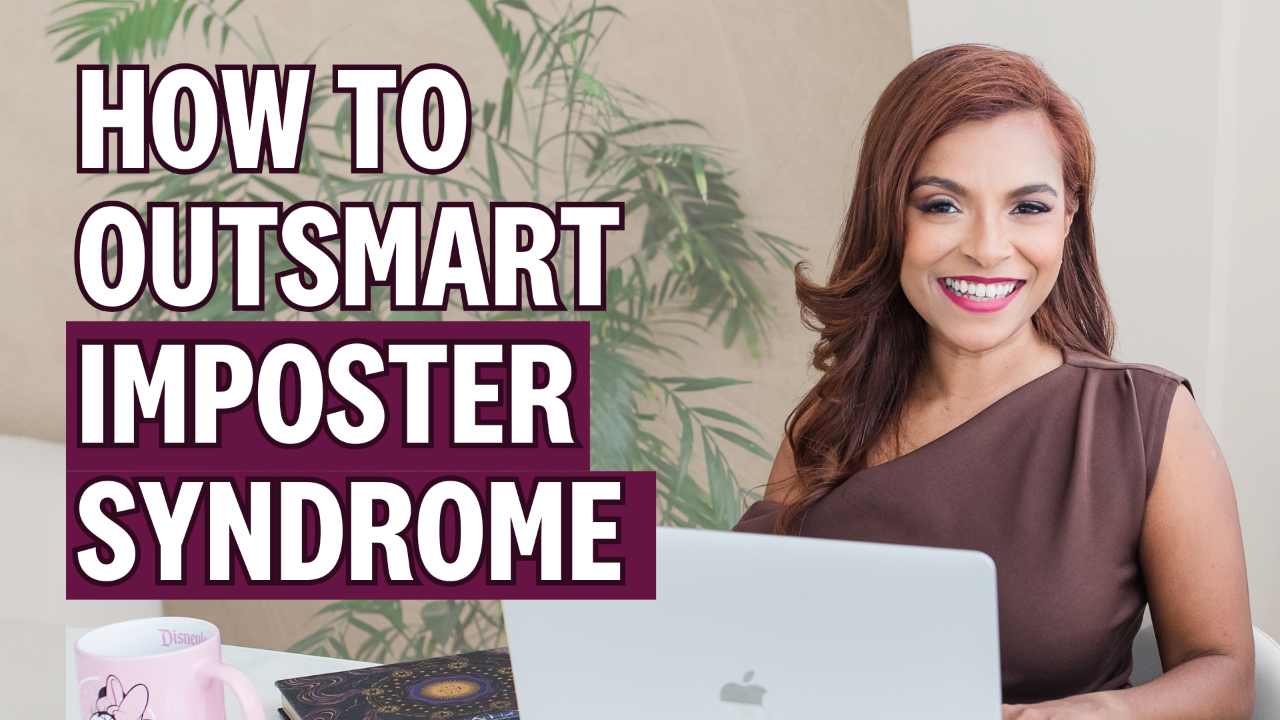
Last week, I joined a LinkedIn roundtable with senior leaders from around the world.
We spoke about how AI is reshaping employee engagement, hiring, and policy strategies. It was an honour to be in the room.
But the moment I walked in, the imposter voice showed up.
They’re more senior.
They’re older.
They’re taller.
Our brains are quick to find reasons we don’t belong.
And here’s the truth most people don’t talk about: imposter syndrome hits everyone.
It doesn’t disappear with titles, experience, or seniority.
The difference isn’t whether the doubt shows up.
It’s what you do next.
1. Catch the Thought
The first step is awareness.
Imposter syndrome often runs on autopilot — a quiet inner commentary that goes unchecked. Catching the thought creates a pause, and that pause gives you back control.
Instead of spiralling, notice the moment it appears.
2. Shift the Belief
Once I caught the thought, I reminded myself of something important.
I wasn’t in that room by accident.
I had earned my seat. I had perspective. And I had value to contribute.
This isn’t about false confidence — it’s about grounding yourself in facts rather than fear.
3. Reinforce It With Action
This is where body language comes in.
Research by Amy Cuddy shows that when we shrink into nervous postures, stress hormones increase while confidence hormones dip.
But when we do the opposite — sitting taller, opening our shoulders, taking up space — something powerful happens.
We don’t just look more confident.
We actually feel more confident.
Body language doesn’t just signal strength to others.
It rewires your own brain chemistry.
So that’s what I did.
I sat taller. I pulled my shoulders back. I took a steady breath.
Final Thoughts
The doubts will always come.
What matters is catching them — and consciously choosing not to follow them.
That shift is what helped me that day at the roundtable. And it’s what can help you, too.
Over to you:
What’s one small shift you make when imposter syndrome shows up?
For more practical tips and real conversations on career growth, join me on Instagram and say hi.
Rooting for you,
Angel Kilian
Founder | Career inFocus
Stay connected with news and updates!
Subscribe to get practical and actionable career tips right in your inbox. You'll also be the first to know of special coaching offers.
By entering your email, you agree to receive updates and resources from us. You can unsubscribe anytime.